Dubai has become one of the top destinations for Indian entrepreneurs looking to expand globally. With 100% foreign ownership in most sectors, world-class infrastructure, and strong India–UAE trade ties, setting up a company in Dubai is now easier than ever.
Why Indian Entrepreneurs Prefer Dubai
-
100% foreign ownership (in most sectors)
-
Strategic location between Asia, Europe & Africa
-
Strong India–UAE trade agreements
-
Zero personal income tax
-
Business-friendly regulations
-
Access to global banking system
Dubai is part of the Dubai, one of the seven emirates of the United Arab Emirates, and is globally recognized as a startup and investment hub.
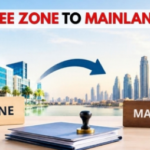
Mainland vs Free Zone vs Offshore – Comparison
| Feature | Mainland | Free Zone | Offshore |
|---|---|---|---|
| Foreign Ownership | 100% (most activities) | 100% | 100% |
| Office Requirement | Mandatory | Flexi/Virtual options available | No physical office |
| Visa Eligibility | Yes | Yes | No |
| Best For | Local UAE trade | International trade & startups | Asset holding |
Popular Free Zones in Dubai include:
-
Dubai Multi Commodities Centre (DMCC)
-
Dubai Silicon Oasis (DSO)
-
Dubai Airport Freezone (DAFZA)
Step-by-Step Process to Start a Business in Dubai from India
Step 1: Choose Business Activity
Select from trading, consultancy, IT services, e-commerce, manufacturing, etc.
Step 2: Select Jurisdiction
Decide between Mainland, Free Zone, or Offshore.
Step 3: Reserve Trade Name
Submit 3–5 name options for approval.
Step 4: Apply for Initial Approval
Authorities review business activity and ownership structure.
Step 5: Submit Documents & Pay Fees
Documents must be notarized and attested (if required).
Step 6: Receive Trade License
After approval and payment, the trade license is issued.
Step 7: Apply for UAE Residence Visa
You can apply for investor visa after license issuance.
Documents Required for Indian Residents
-
Passport copy
-
Passport-size photographs
-
Address proof (India)
-
Business plan (for some activities)
-
Bank reference letter (sometimes required)
Cost of Starting a Business in Dubai (2026 Estimate)
| Type | Estimated Cost (AED) | Approx. in INR |
|---|---|---|
| Free Zone License | 12,000 – 18,000 AED | ₹2.7L – ₹4L |
| Mainland License | 15,000 – 25,000 AED | ₹3.4L – ₹5.6L |
| Investor Visa | 3,500 – 5,000 AED | ₹80K – ₹1.1L |
Note: Costs vary depending on business activity and visa requirements.
UAE Corporate Tax (Important Update)
Since June 2023, UAE introduced 9% corporate tax on profits above AED 375,000.
Businesses must register with the Federal Tax Authority.
However:
-
No personal income tax
-
No capital gains tax (most cases)
-
No dividend tax
How to Get a UAE Residence Visa
After company formation:
-
Entry permit issued
-
Medical test in UAE
-
Emirates ID registration
-
Visa stamping
The visa is typically valid for 2 years (renewable).
Opening a Corporate Bank Account
Popular banks in Dubai:
-
Emirates NBD
-
Mashreq Bank
-
ADCB (Abu Dhabi Commercial Bank)
Banks may require:
-
Business plan
-
KYC documents
-
Minimum balance
Frequently Asked Questions
Can I start a Dubai company from India without visiting UAE?
Yes, many Free Zones allow remote company formation. However, you may need to visit for visa stamping and bank account opening.
How long does it take to start a business in Dubai from India?
Typically 5–10 working days for Free Zone setup (excluding visa).
Do I need a local sponsor in Dubai?
No, 100% foreign ownership is allowed in most business activities.
Is Dubai business setup tax-free?
There is 0% personal income tax. Corporate tax of 9% applies above AED 375,000 profit.
Can an Indian citizen get residency through business?
Yes, through investor visa after company registration.
Final Checklist for Indian Entrepreneurs
✔ Select jurisdiction
✔ Finalize activity
✔ Reserve trade name
✔ Submit documents
✔ Obtain trade license
✔ Apply for visa
✔ Open corporate bank account
✔ Register for corporate tax
Expert Recommendation
For Indian entrepreneurs targeting Middle East expansion, Dubai remains one of the safest and most profitable jurisdictions in 2026. Proper structuring, correct Free Zone selection, and tax compliance are critical for long-term success.