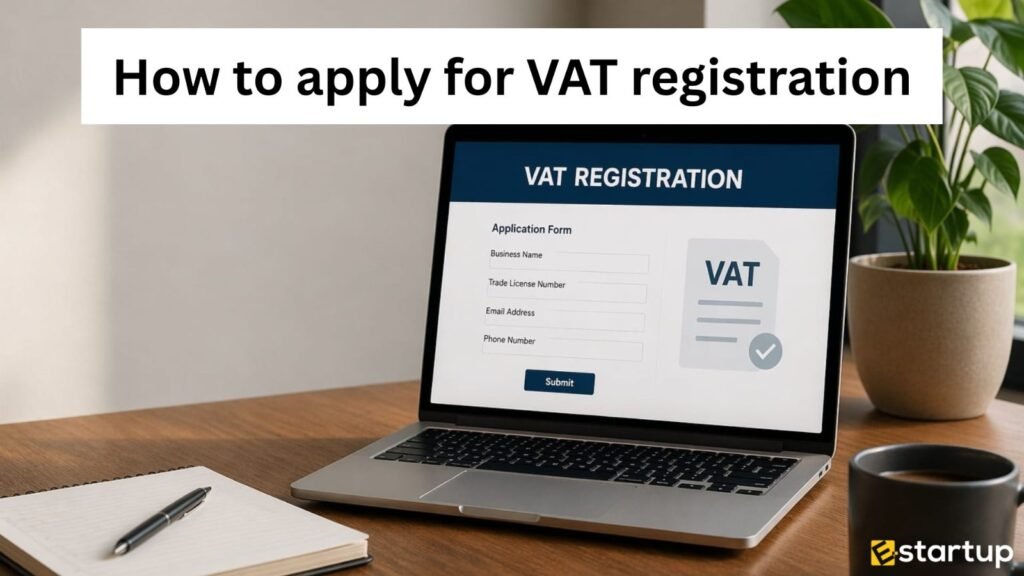
For the global economy in 2026, the process of registering for value-added tax has evolved from being something that had to be done periodically to something that needs to be done on an ongoing digital basis. In light of the full adoption of VAT in the Digital Age (ViDA) solution and MTD, organizations need to adopt a “digital-first” approach to VAT registration.
In conclusion, here is all you should know about how to register your business for VAT by 2026.
1. Navigating the 2026 Threshold Landscape
The first step is defining your “Point of Obligation.” From 2026, tax authorities will utilize AI and bank level data through CESOP to identify thresholds.Improving the accuracy of VAT registration by making the process more automated and efficient.
- The Unified €10,000 Threshold: Within the EU, for digital services, the threshold is unified. After crossing it, the One Stop Shop will be your main point of contact and you won’t need any other registration.
- Domestic Accuracy: Look at your rolling 12 months. The threshold of £90,000 in the UK will now be flagged by automated software based on your business’ bank account.
2. The “Deemed Supplier” Shift for Marketplaces
There is now a major change in how the requirements for registration are defined.
- Platform Responsibility: With changes made by the ViDA, digital platforms (such as delivery or rental apps) are most likely to be “Deemed Supplier” and responsible for collecting the VAT.
- Registering to Get Input Tax Deduction: Though the platform may collect the VAT on your behalf, you need to VAT registration yourself to deduct VAT incurred as business expenses (like fuel and other costs). Otherwise, you will incur an unrecoverable cost.
- Integration With Environmental Taxes (CBAM) It is no longer possible to register for VAT as an independent activity when a business imports environmentally harmful goods (such as steel or aluminum) into the European Union (EU).
- Joint Registration: Due to the introduction of the CBAM definitive system from the beginning of 2026, it will often be necessary to apply for a CBAM Account Number when completing for VAT registration.
4. Mandatory E-Invoicing & “Peppol” Readiness
Registration is not considered complete unless your capability to generate “Structured Invoices” is confirmed.
- Regional Deadlines: Mandatory e-invoicing for businesses engaged in B2B dealings has now become effective in regions such as UAE.
- The Digital Handshake: In order to complete your registration process, you will have to appoint an accredited service provider who will make sure that your “Digital Signature” becomes active upon getting the VAT number.
5. Streamlined Logistics: Single VAT Registration (SVR)
There is no doubt that the regulatory cost associated with internationalization has considerably decreased due to new 2026 regulations.
- “Own Stock” Regulation: The SVR enables companies to transfer their stock from one country to another in Europe, and there will be no need to obtain VAT numbers in each storage location within the European Union.
- Elimination of “Call-Off Stock” Regulations: Instead of making complicated local submissions, companies can now rely on monthly filing using the Union OSS system.
6. Real-Time Documentation & Digital Linking
Most tax authorities do not need just identification papers anymore; they need proof that you are Digitally Ready especially when there was need for VAT registration.
- The End of Copy-and-Paste: Modern taxation needs “Digital Links”—a seamless chain of information from your initial transaction all the way up to the final tax form. Manually entering data into official portals is increasingly becoming an outdated practice.
- Searchable Documents: Authorities expect your documents to be searchable digitally and capable of being checked in a “Remote Audit.”
7. The Shift to “Continuous Transaction Controls” (CTC)
The year 2026 is the point at which summary reporting is replaced by real-time reporting.
- Short Reporting Periods: For example, in countries such as Poland or Italy, you might have to report on transactions within five days after the invoice date.
- ERP/API Connection: For successful registration, your ERP/accounting system must be connected to the national tax portal via API.
8. Automated AI Screening & Audits
By registering in 2026, you will immediately fall under the scrutiny of sophisticated AI-powered checks.
- AI-driven Red Flags: The tax authorities will automatically cross-check your VAT application information against the actual cash flows entering your business.
- NACE/SIC Compliance: The code for the activity that you engage in will determine the rules your invoicing system will use during registration.
Conclusion
Businesses for VAT registration in 2026 demonstrate their readiness to grow into a mature business. Although there may be higher standards in terms of digital and environmental regulations, there are many benefits that go along with them, such as easier international transactions and automatic expense reclamation.
Frequently Asked Questions
Q: Will it be possible for me to continue using the manual spreadsheets for VAT record keeping?
A: Not unless the spreadsheets are linked to “Bridging Software”. Manual spreadsheets that are not digitally linked to the Tax Office will not meet the requirements anymore in most areas.
Q: How long would the registration process take?
A: The time taken to complete the registration process would be 10 to 21 working days. You are advised to apply 30 days before attaining the compulsory level.
Q: Will I be able to levy VAT during the process of registration?
A: Not unless you have a valid number for a VAT Invoice. Your prices will need to include VAT at the time and invoices should be issued once you get the number.